Guarding the Heart of Your Aircraft: Using Engine Additives to Prevent Corrosion
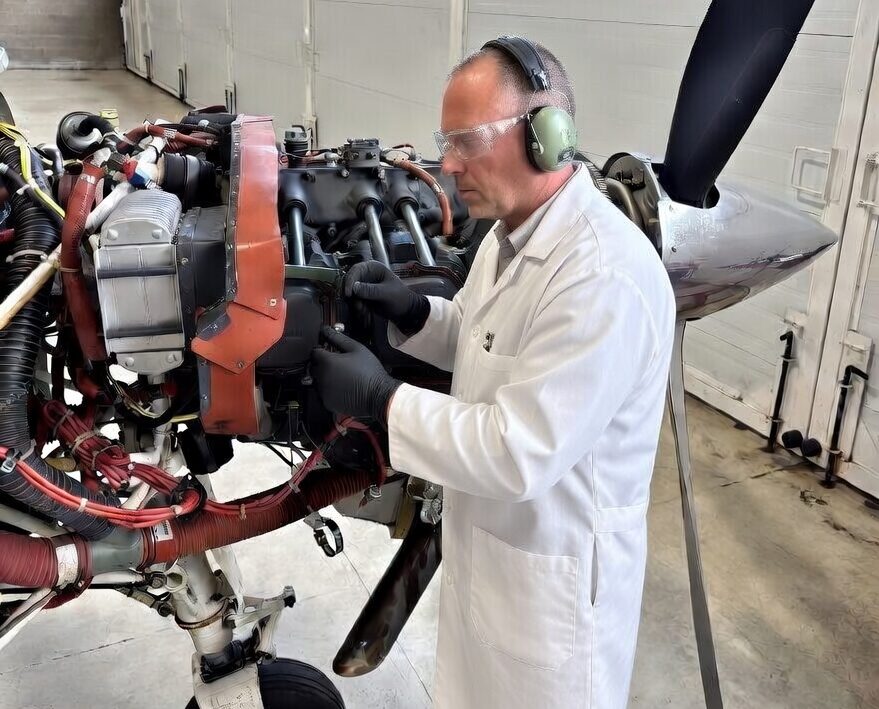
For any aircraft owner, the engine is more than just a mechanical component; it is the heart of the aircraft and the primary guarantor of safety in the skies. However, one of the most persistent and silent threats to engine longevity isn’t necessarily flight hours, it is the environment. Corrosion remains a leading cause of premature engine failure and high overhaul costs in the general aviation sector.
While regular flight and consistent oil changes are the first line of defense, many owners turn to engine additives to provide an extra layer of security. Understanding how these additives work, and why a dedicated aviation-first solution like AvLube is critical, can make the difference between a routine inspection and a catastrophic top overhaul.
The Silent Threat: How Corrosion Starts
Corrosion in a piston aircraft engine typically occurs when the aircraft sits idle. Unlike automotive engines, which are driven daily, many general aviation aircraft may go weeks or even months between flights. During these periods of inactivity, the oil film that coats internal components, such as the camshaft, lifters, and cylinder walls, slowly drains away, leaving bare metal exposed to the atmosphere.
As temperatures fluctuate, moisture condenses inside the crankcase. This moisture, combined with the acidic byproducts of combustion left over from the last flight, creates a corrosive environment. Without a robust protective barrier, microscopic pits begin to form on critical load-bearing surfaces. Once this process starts, it acts like sandpaper, accelerating wear the next time the engine is started.
The Vulnerability of the Camshaft and Lifters
In many Lycoming and Continental engines, the camshaft is located at the top or side of the engine where oil drains away most quickly. Because these components experience high-pressure contact, even minor corrosion can lead to “spalling,” where the metal surface begins to flake away. This is often the primary reason engines fail to reach their published Time Between Overhaul (TBO).
Why Standard Oil Isn’t Always Enough
Modern aviation oils are highly engineered products, but they are designed to perform a multitude of tasks: cooling, cleaning, sealing, and lubricating. While most “plus” oils contain some anti-corrosion and anti-wear (AW) additives, the concentration may not be sufficient for aircraft operating in humid climates or those with irregular flight schedules.
This is where supplemental additives enter the conversation. A high-quality additive is designed to bolster the oil’s ability to “cling” to metal surfaces and neutralize the acids that trigger rust. However, the aviation community must be discerning. Not all additives are created equal, and using the wrong product can sometimes do more harm than good.
The AvLube Difference: Aviation-First Engineering
When it comes to protecting piston aircraft engines, not all oil additives are designed with the same priorities, or the same origin. Many products found on hangar shelves were originally adapted from the automotive industry. While those products might work well in a liquid-cooled car engine that runs at consistent temperatures, they often lack the specific chemistry required for the high-heat, air-cooled, and high-clearance environment of an airplane engine.
AvLube stands apart as a 100% Canadian-developed oil additive created specifically for the aviation market. It was designed from the outset to address the real-world wear and corrosion realities seen in piston aircraft engines, rather than being an “afterthought” adaptation of a car product.
Broad-Spectrum Engine Protection
While the prevention of rust is a major concern, the team behind AvLube recognized that corrosion is only one piece of the puzzle. Real-world engine wear most often manifests in:
- Cams and Lifters: Preventing the metal-to-metal contact that leads to pitting.
- Valve Guides: Ensuring smooth operation and preventing “morning sickness” or sticking valves.
- Carbon-Related Issues: Reducing the buildup of carbon deposits that can lead to pre-ignition or loss of compression.
AvLube was formulated to promote superior lubrication and reduce wear in these critical areas, not solely to address corrosion. By enhancing the film strength of the oil, it ensures that even after weeks of sitting, a protective layer remains to facilitate a safe, “wet” start.
Certification and Trust: Meeting the Standard
In the highly regulated world of aviation, “good enough” is never acceptable. Aircraft owners must ensure that any substance added to their engine is approved by regulatory bodies to avoid voiding warranties or, more importantly, compromising safety.
AvLube carries the weight of official validation:
- STC and FAA Approved: AvLube is approved for use in certified aircraft engines under STC No. SE00-13 and is fully FAA approved.
- Proven Track Record: Although AvLube may appear new to some due to limited past marketing, it is not a new or “experimental” product. It has been in use for years and was developed long before recent market attention, quietly doing its job without heavy branding.
For the Canadian pilot, there is an added layer of pride and practicality. Choosing AvLube supports Canadian engineering, manufacturing, and small business within the aviation industry. It is a product born from the expertise of people working directly in aviation maintenance who understand the unique challenges of the North American climate.
Best Practices for Corrosion Prevention
Integrating an additive like AvLube is a powerful step, but it should be part of a comprehensive maintenance strategy. Brant Aero recommends the following “best practices” to keep your engine pristine:
- Fly Regularly: Ideally, an aircraft should be flown for at least an hour every two weeks. This gets the oil up to operating temperature (at least 180°F/82°C), which helps evaporate moisture from the crankcase.
- Consistent Oil Changes: Don’t just watch the hours; watch the calendar. Even if you haven’t hit 50 hours, oil should be changed every four to four to six months to remove acidic contaminants. We recommend an oil change each 25 hours (simple drain and replenish and filter and oil each 50 hours and additive if flying less than 100 hours a year.
- Use the Right Additive: Incorporate AvLube at every oil change to ensure the internal components remain coated during downtime.
- Avoid “Ground Running”: Starting the engine for 10 minutes on the ramp often does more harm than good, as it creates moisture without getting the oil hot enough to boil it off.
Conclusion: Investing in Longevity
The goal of any maintenance program is to deliver comprehensive engine protection, meet regulatory requirements, and offer practical value, without unnecessary cost. This is the exact philosophy behind the development of AvLube.
By understanding the mechanics of corrosion and choosing an aviation-specific solution, owners can protect their investment and ensure their aircraft is ready to perform whenever the clear blue beckons. At Brant Aero, we believe in using the best tools available to keep the Canadian aviation community flying safely. For over 50 years, our commitment has been to precision and quality, principles that are reflected in the products we recommend and the aircraft we service.
For more information on engine protection or to purchase AvLube for your next oil change, visit our AvLube resource page or contact our maintenance team today.