To Coat or Not to Coat: The Truth About Polishing and Ceramic Coatings for Your Aircraft
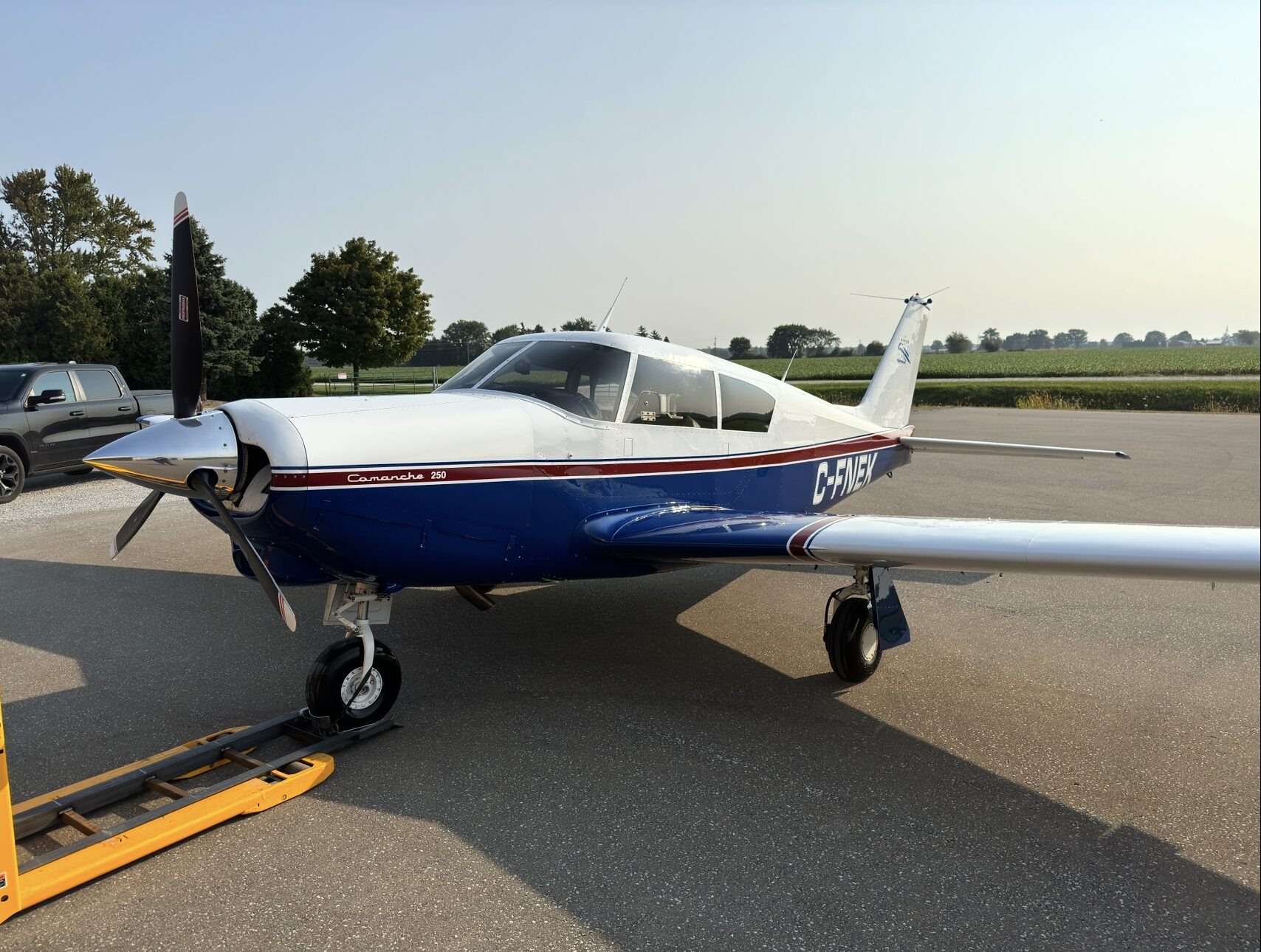
Every aircraft owner understands that maintaining an airframe involves more than just mechanical oversight. Between the punishing UV rays at high altitudes, exhaust soot, de-icing fluids, and the abrasive nature of environmental debris, an aircraft’s exterior finish is under constant environmental stress.
At Brant Aero, we’ve spent over 50 years maintaining nearly every type of general aviation aircraft. During that time, we’ve seen exterior maintenance trends evolve from simple soaps to advanced chemical bondings. One of the most common topics of conversation in the hangar today is the choice between traditional polishing and the modern emergence of ceramic coatings.
For owners looking to preserve their investment, understanding the technical differences between these methods is essential for making an informed decision.
Understanding the Foundation: Traditional Polishing
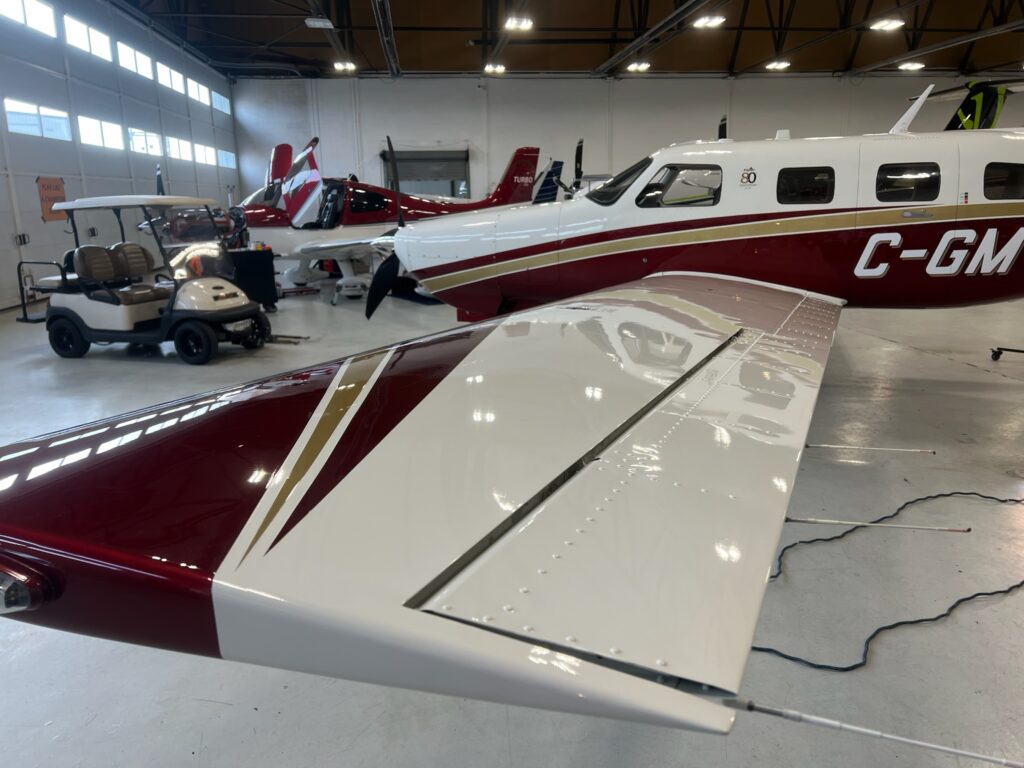
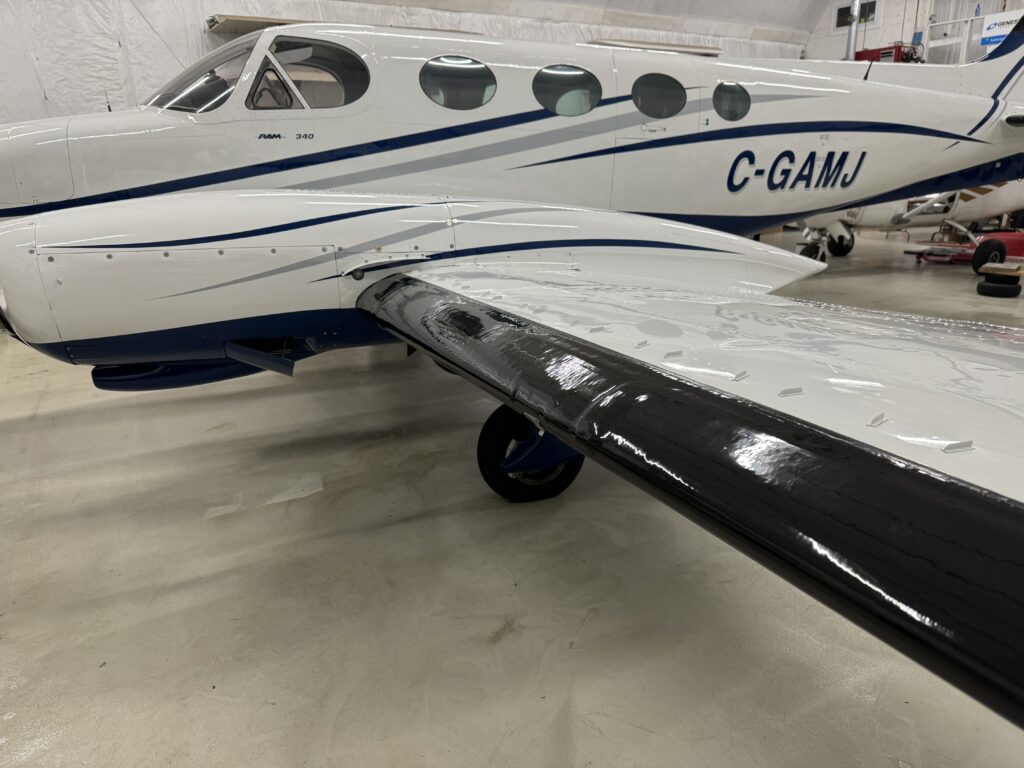
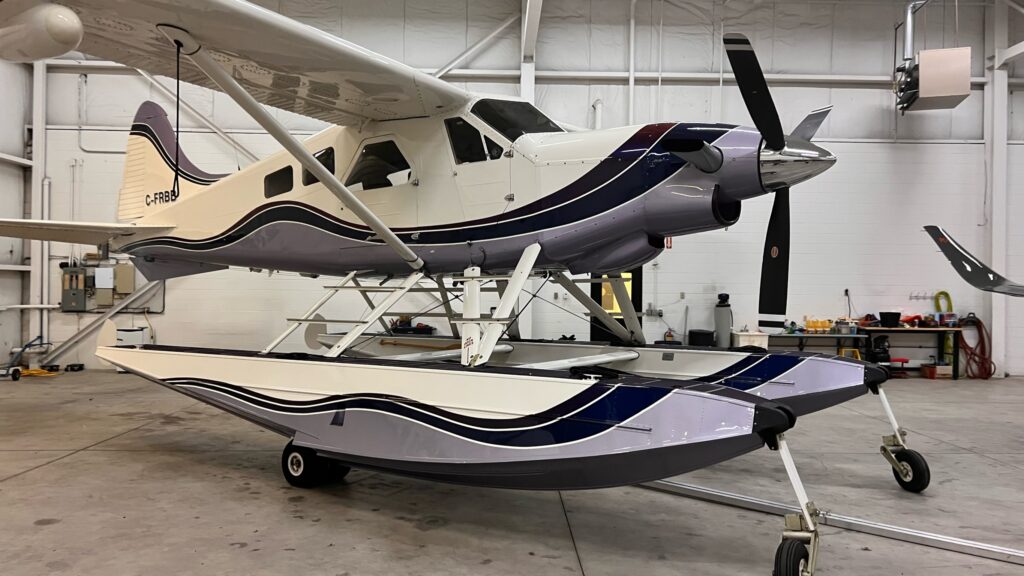
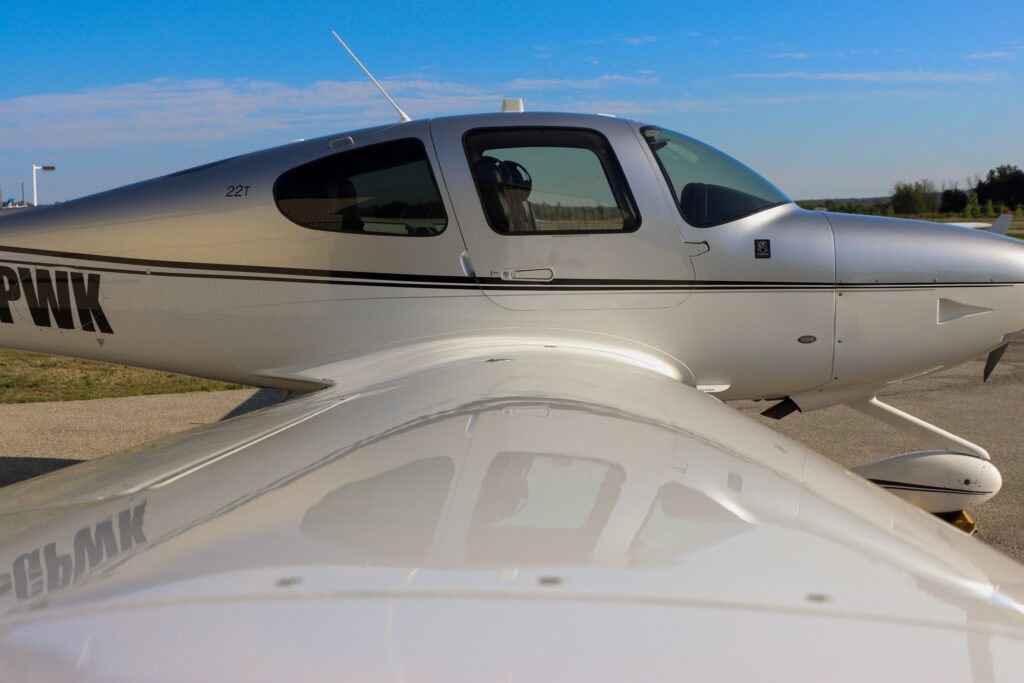
Polishing is the long-standing standard for aircraft exterior care. It is a multi-stage process that focuses on the physical restoration of the paint or gelcoat surface.
- Oxidation Removal: Over time, exposure to the sun breaks down the chemical bonds in aircraft paint, leading to a chalky, dull finish. Polishing uses fine abrasives to remove this dead layer, exposing the fresh pigment underneath.
- Surface Leveling: Polishing smooths out microscopic imperfections, which can contribute to a reduction in skin friction drag, though the performance gains vary by aircraft type.
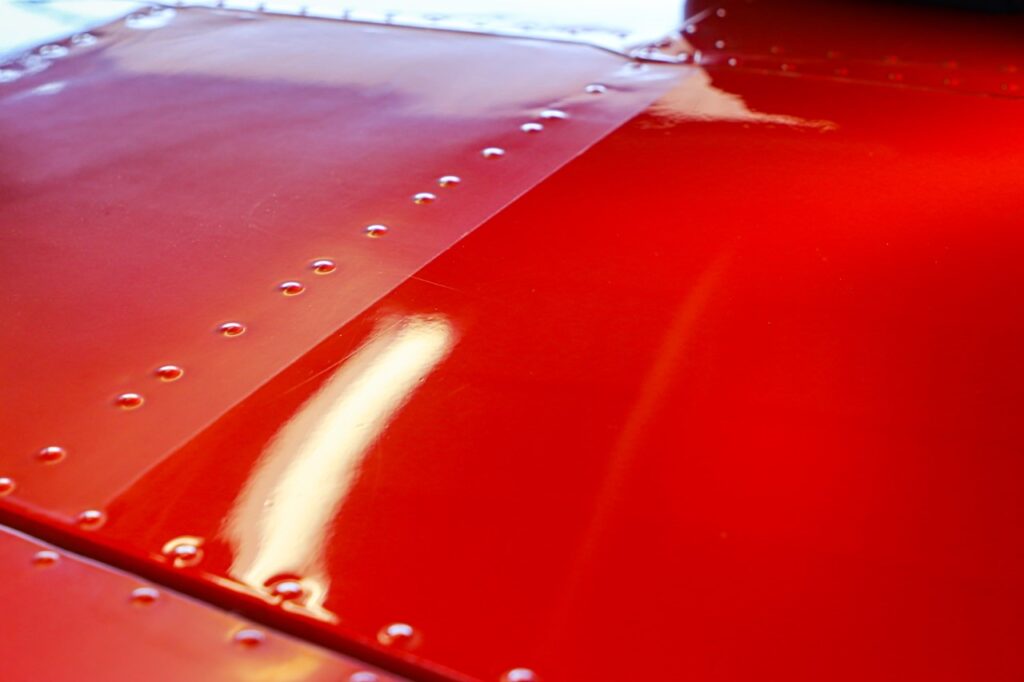
- Surface Inspection: One of the secondary benefits of a deep polish is that it requires a technician to be inches away from every rivet and seam. This often allows for the early detection of “smoking rivets” or surface corrosion that might otherwise be hidden under a layer of grime.
While effective at restoring a shine, traditional wax or polish is temporary. Most high-quality aviation waxes are organic or polymer-based and will eventually break down due to heat and UV exposure, requiring semi-regular re-application to maintain protection.
The Evolution of Protection: Ceramic Coatings
In recent years, the aviation industry has adopted “ceramic” or “nano” coatings—technologies refined in the high-end automotive and marine sectors. Unlike wax, which sits on the surface of the paint, ceramic coatings (typically composed of Silicon Dioxide or $SiO_2$) are designed to chemically bond with the substrate.
1. Hydrophobic Properties
Ceramic coatings are highly hydrophobic, meaning they repel water. In a flight environment, this surface tension makes it difficult for contaminants like bug guts, oil, and exhaust soot to “bite” into the paint. Consequently, the aircraft is often significantly easier to wipe down after a mission.
2. UV and Chemical Resistance
For aircraft based in Ontario or those that frequently fly into high-UV regions, the sun is the primary cause of paint degradation. Ceramic coatings act as a sacrificial barrier, absorbing UV radiation and resisting damage from harsh chemicals, such as bird droppings or de-icing fluids, which can etch traditional paint.
3. Longevity
While a wax might last a few months, a professional-grade ceramic coating is designed to last years. It is resistant to the extreme temperature fluctuations common in Canadian aviation, from $-40\text{°C}$ on the ramp in January to the high heat generated by turbine engine cowlings.
The Investment: Cost vs. Value
When considering exterior restoration, it is helpful to look at the numbers. While pricing varies significantly based on the size and current condition of the airframe, average industry estimates provide a helpful baseline:
- Initial Polish: An average single-engine aircraft typically runs between $1,300 and $1,700, while a twin-engine aircraft ranges from $1,750 to $2,700.
- Restoration: If the paint is heavily oxidized, a more substantial restoration may be necessary, which can add approximately 40% to these base prices.
- Ceramic Application: Adding a 1–2 year or a 5–10 year ceramic coating is generally similar in pricing to the initial polish costs.
While these figures represent an investment, they are often compared to the cost of a full strip and paint. With a new paint job for a single-engine aircraft ranging from $25,000 to $50,000 (and $35,000 to $70,000 for a twin), a professional polish and cosmetic cleanup is a worthwhile consideration to extend the life of your current paint for an additional 5 to 10 years.
Making the Right Choice for Your Airframe
At Brant Aero, our primary focus is the mechanical integrity, avionics safety, and regulatory compliance of your aircraft. While we prioritize the structural and electronic health of the planes in our care, we recognize that exterior maintenance is a key part of an owner’s asset value.
Because exterior detailing is a specialized trade that requires a specific environment and toolkit, it is a distinct service from heavy maintenance. For owners interested in obtaining a detailed quote based on their specific aircraft and its current condition, we recommend reaching out to specialized experts.
For high-end exterior restoration, paint correction, or ceramic applications, we suggest contacting Bishop’s Aviation Detailing. They specialize in the intricacies of aviation finishes and can provide tailored assessments for your aircraft.
Bishop’s Aviation Detailing Website: bishopsaviation.com
Phone: (647) 525-3664
Conclusion
Whether you prefer the traditional look of a fresh polish or the high-tech protection of a ceramic coating, the goal remains the same: protecting the structural integrity and the value of your aircraft. By understanding the science and the costs behind these products, you can choose the path that best fits your flying style and budget.